
About N8B3N Materials
N8B3N Materials develops low‑cost, mineral‑engineered treatments that improve the safety and stability of sargassum biomass and other high‑organic waste streams. Our mission centers on reducing arsenic mobility in leachate, strengthening environmental protection for coastal regions facing increasingly frequent and large‑scale sargassum events. We are committed to practical, evidence‑driven material engineering that empowers coastal communities to manage environmental challenges responsibly, sustainably, and with greater confidence
Our Approach
Our development process is grounded in scientific rigor and real‑world applicability. Every material we design follows a disciplined pathway that integrates geochemical principles, controlled testing, and field‑aligned performance criteria. This ensures each formulation is not only scientifically sound but practical for the environments where coastal stakeholders actually operate.
Material Design
Formulating targeted mineral compositions engineered to bind and stabilize heavy metals within organic matrices, creating conditions that favor low‑mobility mineral phases.
Laboratory Validation
Conducting rigorous, controlled laboratory assessments to verify stabilization performance, characterize leachate behavior, and confirm that mineral‑phase interactions reduce arsenic mobility as intended.
Field-Aligned Development
Optimizing material formulations for seamless, scalable integration into coastal waste‑management workflows, ensuring each treatment performs reliably under real‑world environmental and operational conditions.
Founders Story
N8B3N Materials began as a focused effort to confront a growing coastal challenge: the increasing mobility of arsenic within decomposing sargassum. As seasonal landings intensified across the Caribbean and Gulf regions, Kevin recognized a gap in practical, science‑backed solutions capable of stabilizing heavy metals in biomass destined for collection, staging, or disposal. Motivated by scientific curiosity and a commitment to responsible environmental stewardship, he initiated a series of early investigations into mineral‑based stabilization pathways.
Working from first principles in geochemistry and mineral surface interactions, Kevin designed preliminary formulations and conducted controlled stability tests to understand how arsenic behaved within high‑organic matrices. He evaluated dose‑response behavior, explored mineral‑phase conversion pathways, and refined early prototypes through iterative experimentation. To ensure credibility and eliminate bias, he validated results through independent laboratory testing, building an empirical foundation that demonstrated both the severity of the problem and the potential of mineral‑engineered treatments to address it.
As the data strengthened and the scientific direction became clear, Lydia stepped in to formalize the venture. Drawing on her operational discipline and strategic leadership, she established the legal, organizational, and governance framework required to transform early experimentation into a viable environmental technology company. Lydia’s work ensured that N8B3N Materials would grow with structure, accountability, and a clear mission—positioning the company as a woman‑owned environmental materials venture committed to responsible innovation.
Together, Kevin and Lydia shaped N8B3N Materials around FE Lock, the mineral‑engineered treatment developed to reduce arsenic mobility and support safer sargassum handling across coastal regions. Their combined strengths—Kevin’s scientific rigor and Lydia’s organizational leadership—created a pathway for translating early research into a scalable, field‑aligned environmental solution.
The company’s name, inspired by their children Nate and Ben, reflects a personal commitment to building practical, evidence‑based technologies that protect both communities and future generations. N8B3N Materials stands today as a family‑driven, science‑anchored venture dedicated to addressing emerging coastal challenges through disciplined materials engineering and responsible environmental innovation.
Our Dedicated Staff
N8B3N Materials is supported by a small, disciplined team committed to responsible environmental innovation. Our staff contributes across research support, field‑aligned testing, operational coordination, and stakeholder engagement—ensuring each material we develop is grounded in scientific evidence and practical coastal needs.
Team members assist with sample preparation, controlled testing workflows, documentation, and field observations that inform formulation refinement. Their work strengthens the reliability of our development pathway and helps maintain the high standards required for mineral‑engineered stabilization technologies.
United by a shared commitment to environmental stewardship, our staff plays a critical role in advancing FE Lock and supporting the mission of building safer, more sustainable solutions for coastal communities.

Lydia Caylor
CEO, General Counsel & Co‑Founder
Lydia Caylor leads N8B3N Materials as CEO and General Counsel, shaping the company’s strategic direction, legal foundation, and operational discipline. Her dual expertise allows the organization to advance FE Lock with clarity, structure, and strong governance—critical elements for an early‑stage environmental materials venture working at the intersection of applied geochemistry and coastal remediation.
As CEO, Lydia oversees organizational development, partner engagement, and long‑term planning, ensuring that scientific progress aligns with practical deployment pathways for coastal stakeholders. She guides the company’s evolution from early experimentation toward commercial readiness, building the systems, processes, and accountability frameworks required for responsible scale.
As General Counsel, she provides in‑house legal oversight across intellectual property, regulatory considerations, contracting, and municipal engagement. Her legal background strengthens N8B3N’s ability to protect emerging technologies, navigate compliance expectations, and collaborate effectively with public agencies and research partners.
Lydia’s leadership also positions N8B3N Materials as a woman‑owned venture, opening pathways for federal and state contracting, coastal restoration programs, and preferential procurement opportunities. Her role ensures the company grows with both scientific integrity and strategic advantage.
Kevin Caylor
Founder & Lead Developer
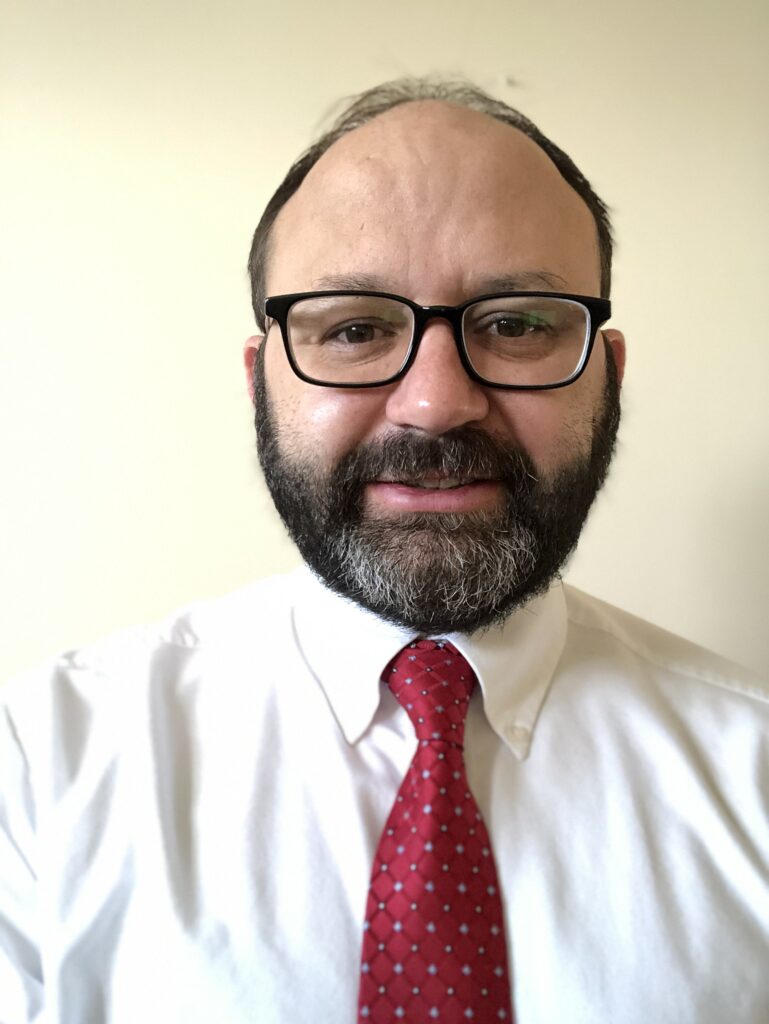
Kevin Caylor is the founder and lead developer behind FE Lock, directing the research, formulation, and laboratory validation of N8B3N Materials’ mineral‑engineered treatment for arsenic stabilization in sargassum leachate. He leads the company’s technical development with a disciplined focus on scientific rigor, applied geochemistry, and practical engineering—building the empirical foundation that drives N8B3N’s environmental materials innovation.
Kevin’s work centers on understanding arsenic mobility within high‑organic matrices and designing mineral compositions capable of suppressing that mobility under real‑world coastal conditions. He develops and executes controlled testing workflows, evaluates dose‑response behavior, and conducts stability studies that inform each iteration of FE Lock’s formulation. His commitment to independent laboratory validation ensures that every advancement is grounded in measurable, repeatable data rather than assumption or theory.
Beyond formulation design, Kevin manages the technical documentation, experimental protocols, and analytical communication required for collaboration with municipalities, environmental agencies, and research partners. His approach blends hands‑on experimentation with mineral‑engineering principles, creating accessible, low‑cost treatments that align with the operational realities of coastal waste‑management teams.
As the technical architect of FE Lock, Kevin shapes N8B3N Materials’ scientific direction and long‑term development strategy, ensuring the company’s solutions remain evidence‑based, environmentally responsible, and engineered for practical deployment.